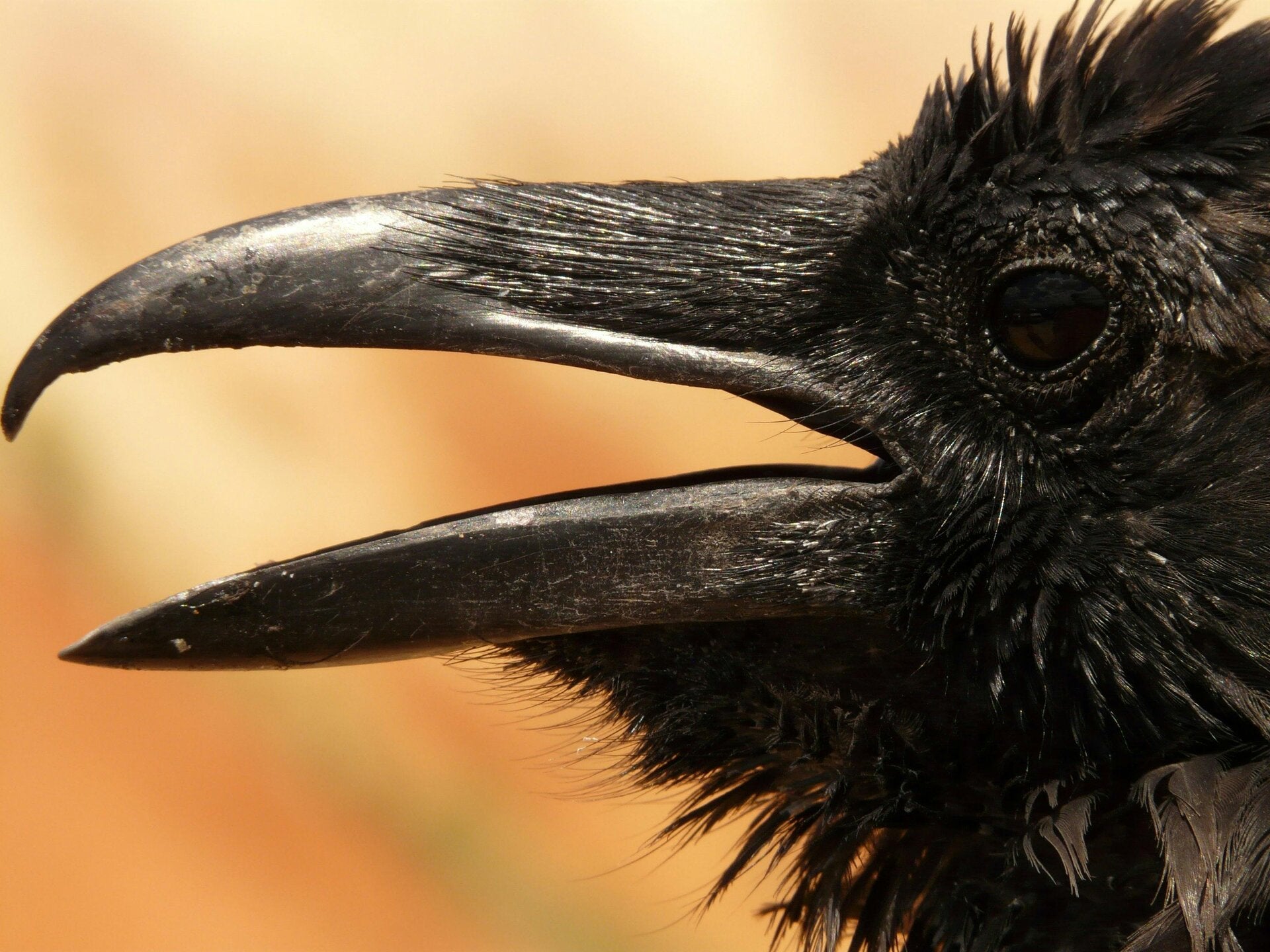
The Black Messengers of Fate
With their jet-black plumage, piercing gaze and a croak that seems to echo from another realm, the raven is one of the most spiritually charged figures in German mythology and folklore.
At times revered as a wise counselor and at others feared as a dark omen, the raven occupies a unique space in the cultural psyche.
But what lies beneath the myth of the "unlucky bird"?
Let’s dive into the legendary world of German raven folklore.

Odin’s Heritage: Huginn and Muninn
The roots of raven veneration in Germany lie deep within Germanic mythology. Odin (or Wotan), the Allfather, was famously accompanied by two ravens: Huginn (Thought) and Muninn (Memory).
The Spies of the Gods: Every morning, they flew across the world to observe all things, returning at night to whisper their findings into Odin's ear.
Symbolism: In this era the raven wasn't a sign of death, but of omniscience and intellect. Seeing a raven meant you were under the watchful eye of the gods.
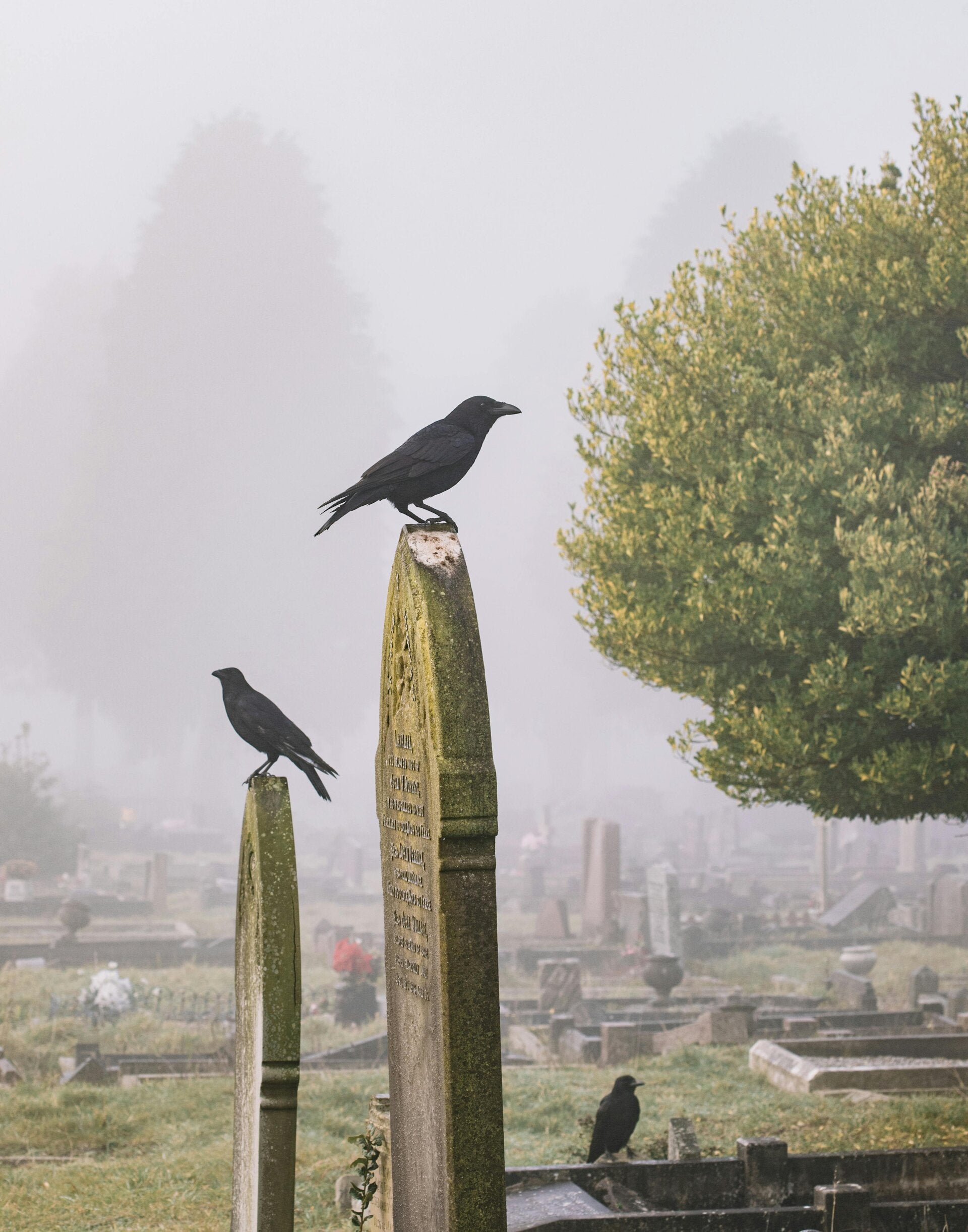
The "Galgenvogel": From Companion to Omen
As Christianity spread the raven's image shifted dramatically.
Because ravens are scavengers they were frequently seen on battlefields and near gallows (Galgen).
This earned them the nickname Galgenvogel in German (Gallows Bird).
Souls of the Damned: Folklore often suggested that the souls of the executed or the wicked lived on within ravens.
Prophets of Doom: If a raven landed on a rooftop or peered through a window it was considered a certain omen of an approaching death in the family.

The Kyffhäuser Myth: The Emperor’s Sentinels
One of the most famous German legends links ravens to Emperor Barbarossa.
The Legend tells us that the Emperor sleeps inside the Kyffhäuser Mountain
waiting for the right moment to return and unite the empire.
"As long as the ravens fly around the mountain, the Emperor shall remain asleep."
In this tale, the ravens act as sentinels of time.
Only when the ravens cease their flight the Emperor will awaken to restore the Golden Age.

Ravens in Witchcraft and Folklore
During the Middle Ages ravens were inextricably linked to witchcraft. It was believed that:
- Witches could transform into ravens to travel undetected.
- A raven kept in the home was often suspected of being a "familiar" and as a demonic helper.
Yet, despite this dark reputation, ravens were also respected by farmers as weather prophets in Germany.
High-flying ravens signaled fair weather, while restless, noisy behavior predicted an incoming storm.

Bring the Folklore of Ravens Home
The raven is a creature of duality—standing at the threshold between life and death, wisdom and mystery.
If you feel drawn to the protective and mystical energy of these ancient messengers, you can bring a piece of that folklore into your own space.
In my shop, I’ve captured this essence in my Raven Glass Candle.
Beautiful crafted with a nod to the old ways, a flickering tribute to the "Thought and Memory" of the North.
Find the Raven Glass Candle at here
Whether you see them as Odin’s wise companions or mysterious harbingers of fate, the raven remains a powerful symbol of the unseen.
Add comment
Comments